

In systems design, movement isn’t always momentum. Sometimes it’s recalibration. When structures feel off-kilter or feedback loops stall, the answer isn’t always to push through—it’s to pivot. Not hastily or defensively, but with purpose.
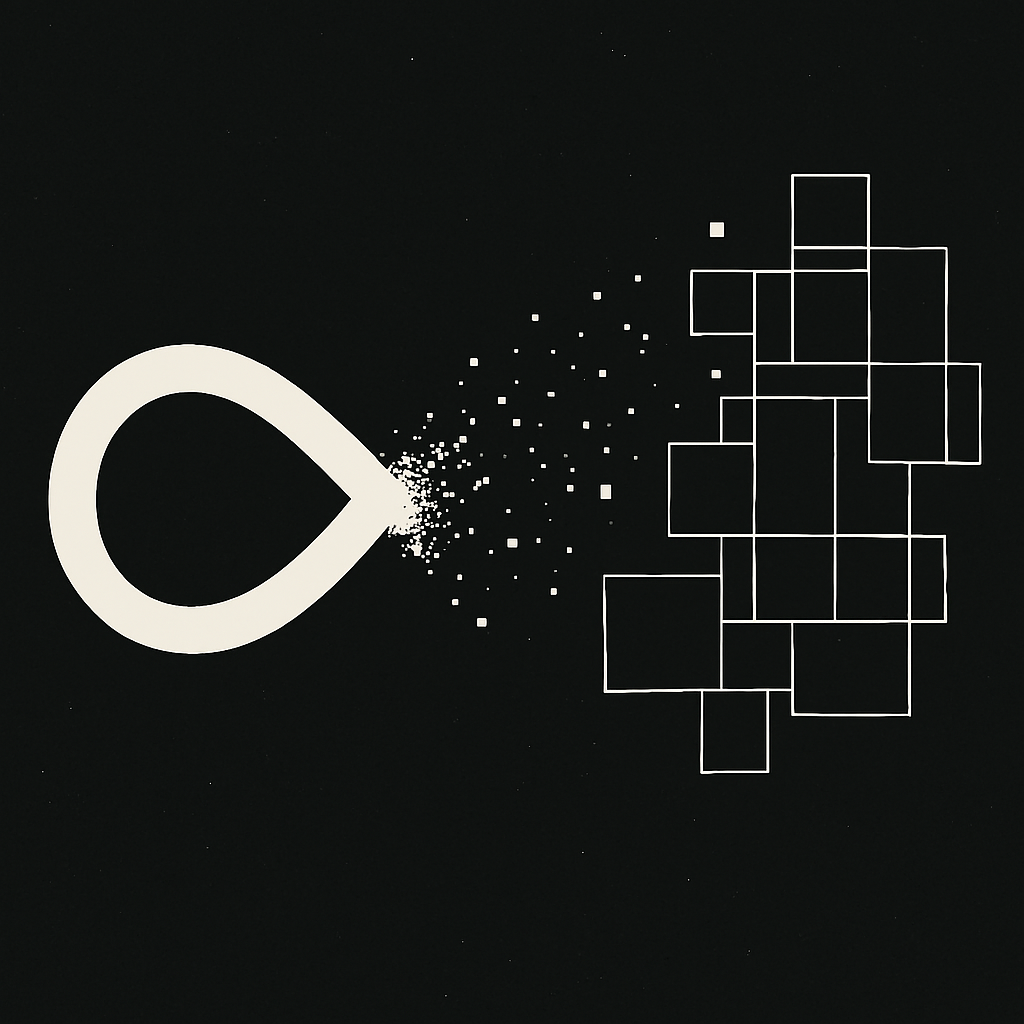
What Is a Pivot in Systems Design?
A pivot isn’t escape. It’s a conscious design maneuver:
- Rethinking boundaries
- Adjusting constraints
- Reorienting the system toward deeper alignment
Within well-designed systems, pivots preserve the integrity of flow while honoring change. The structure remains, but its posture evolves.
Signal vs. Noise: The Architecture of Discernment
In dynamic systems, not all input carries weight. Design thinkers differentiate between signal—what aligns with intent—and noise—what distorts or distracts.
To pivot purposefully is to sharpen that discernment. You:
- Amplify signal through clean feedback mechanisms
- Filter noise without losing openness
- Recognize the difference between urgency and true relevance
Discernment isn’t just awareness—it’s design capacity.
Friction as Feedback, Not Failure
Friction is a designer’s invitation to investigate. When systems jam or loop inconsistently, the question isn’t “what broke?” but “what misalignments are being revealed?”
Purposeful pivots arise from insights like:
- Loops missing closure
- Values misaligned with outcomes
- Incentives clashing with architecture
Rather than resisting friction, systems thinkers translate it into redesign.
Resonance as Design Ethic
Resonance is where structure meets soul. It’s the hum of a system where intent, flow, and values align. Designing for resonance means:
- Creating adaptable yet anchored structures
- Prioritizing mutual value across all interfaces
- Building clarity into every layer of complexity
A pivot with purpose isn’t just tactical—it’s principled.
Living the Theory
To embody this theory is to shift from reacting to designing. You observe not for confirmation, but for coherence. You pivot not because of pressure, but because of truth.
It looks like:
- Navigating ambiguity with curiosity
- Realigning efforts toward what speaks, not what screams
- Owning your architecture and adjusting from within
Final Reflection
Pivots aren’t weakness. They’re proof that a system is alive – listening, evolving, responding. To pivot with purpose is to honor both continuity and change. Not just a movement, but a design choice.
 seemanair.com
Leave a comment